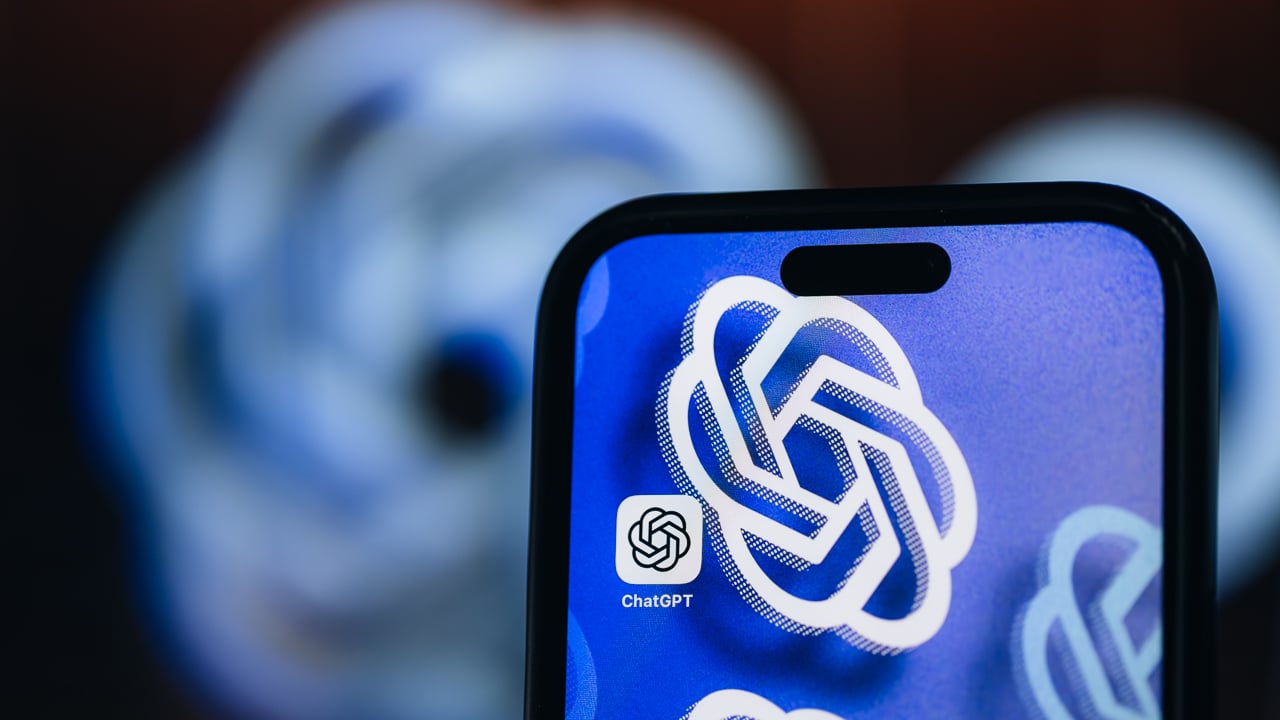
OpenAI is now doing the thing everyone assumed it eventually would: bringing ads to ChatGPT.
After weeks of user frustration over what appeared to be ads slipping into conversations, OpenAI finally laid its cards on the table. In a blog post published on Friday, the company confirmed it plans to begin testing ads in ChatGPT for U.S. users on the free and Go tiers, while promising that paid tiers like Pro, Business, and Enterprise will remain ad-free.
OpenAI insists this isn’t a betrayal of trust, but a trade-off.
“As ChatGPT becomes more capable and widely used, we’re looking at ways to continue offering more intelligence to everyone,” the company wrote, framing ads as a way to expand access without forcing users to pay. The company also stressed a hard line between answers and advertising, saying users need to trust that ChatGPT’s responses are “driven by what’s objectively useful, never by advertising,” and that conversations will not be shared or sold to advertisers.
That reassurance comes after a messy few months. In December, ChatGPT users flooded social media with screenshots of chatbot responses that suggested apps, stores, or products entirely unrelated to their prompts.
OpenAI pushed back, saying those were just poorly timed “suggestions,” but the distinction didn’t land. Even users paying $200 per month for ChatGPT Pro said the experience felt off.
Behind the scenes, though, advertising has clearly been on the roadmap. Reporting earlier this month revealed that OpenAI has been quietly testing ad concepts internally, experimenting with layouts and disclosures designed to create what employees described as “a new type of digital ads” that wouldn’t immediately drive users away
And CEO Sam Altman hasn’t exactly been subtle about warming to the idea. Back in June, he said he wasn’t “totally against” ads in ChatGPT, even calling Instagram ads “kinda cool” — a quote that aged about as well as anyone expected. At the time, Altman emphasized that ads would require extreme care to get right. Now, that theoretical future is becoming real.
OpenAI says ads will be clearly labeled, placed separately from responses, and initially shown only when there’s a “relevant sponsored product or service” tied to a conversation. Users will be able to dismiss ads or turn off personalization entirely, and ads won’t appear for accounts under 18 or near sensitive topics like health or politics
Whether that’s enough to keep ChatGPT from feeling like just another feed remains to be seen. But with operating costs reportedly in the billions and AI companies racing to prove sustainable business models, the era of the ad-free chatbot was probably always going to be temporary.
Disclosure: Ziff Davis, Mashable’s parent company, in April filed a lawsuit against OpenAI, alleging it infringed Ziff Davis copyrights in training and operating its AI systems.