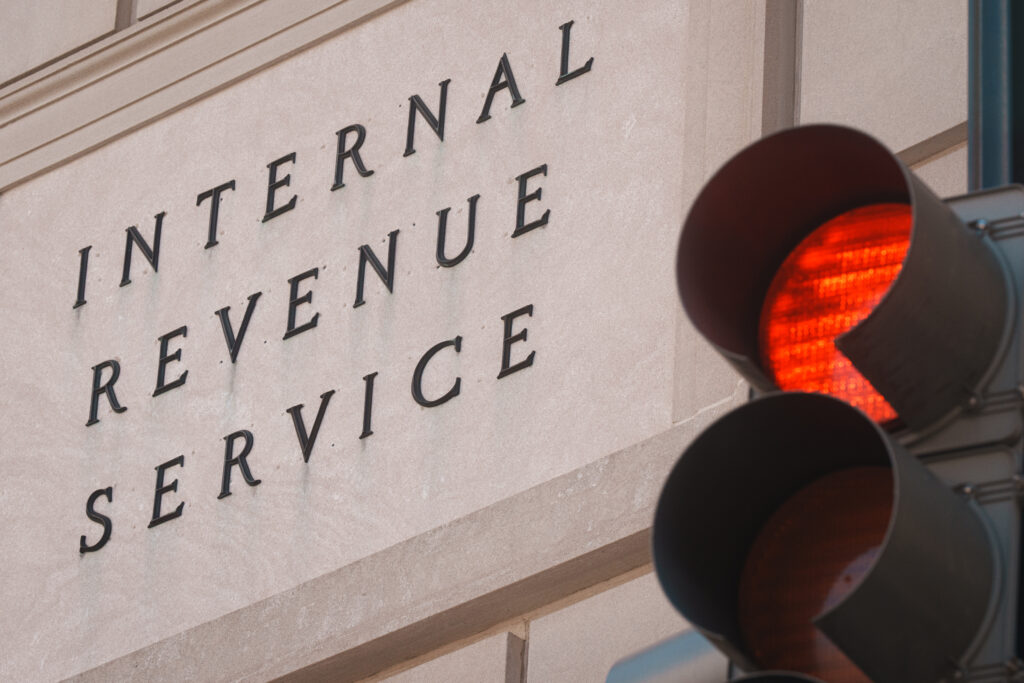
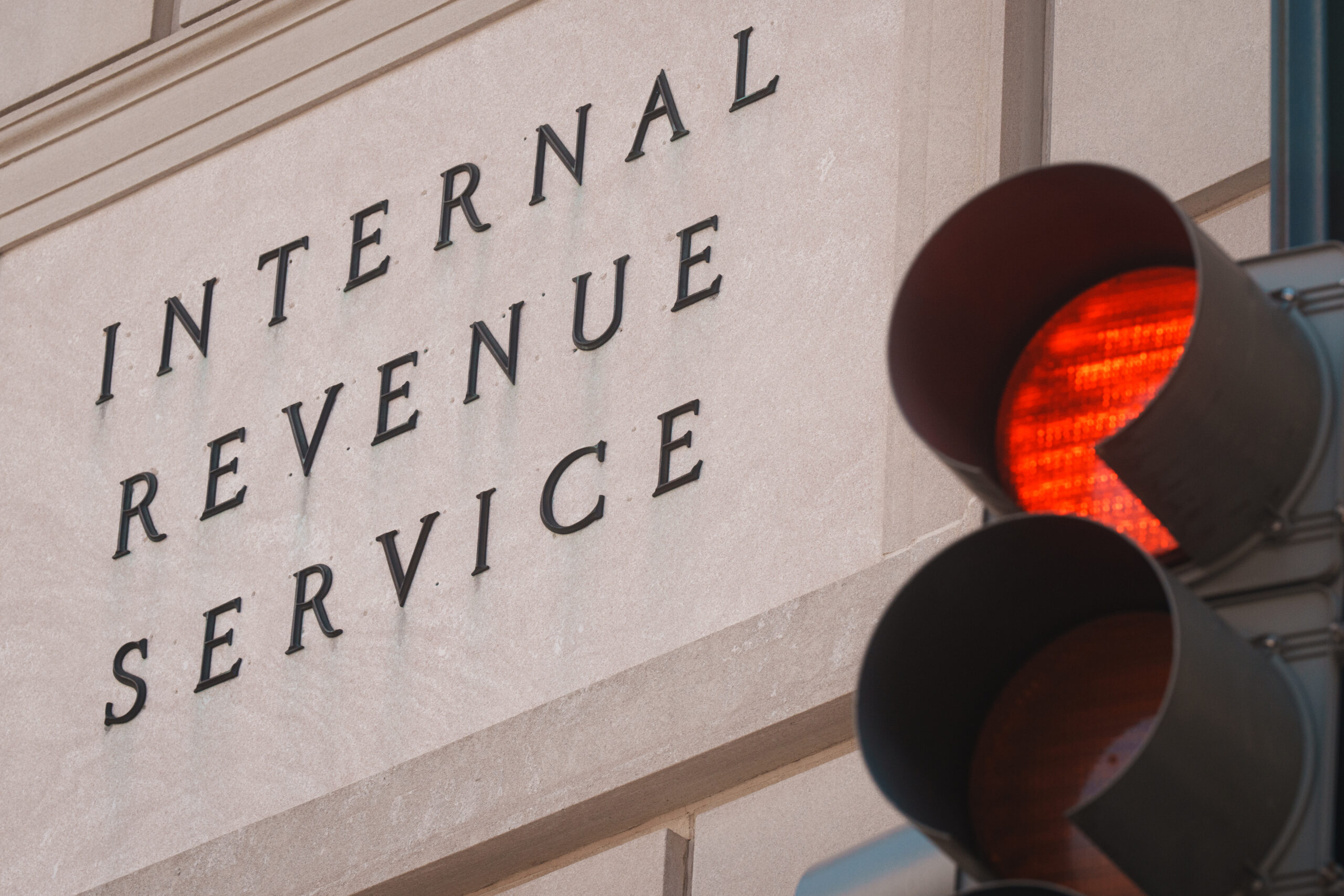
Tax Day is nearly here, and with it comes tax scams. The U.S. Congressional Joint Economic Committee has issued a scam alert, with less than a week to go until the tax filing deadline. The warning is, unfortunately, needed, given that nearly one in four Americans have reported being victimized by tax season scams, according to March 2026 research by McAfee.
The alert, seen by Mashable, has other alarming findings: During fiscal year 2025, the IRS reported more than 600 social media impersonators of the agency. Spam blocker app Nomorobo found a 400 percent increase in fraudulent calls claiming to be from the IRS between Jan. and Feb. this year. Fake tax websites are also on the rise, with McAfee identifying 43 new ones every day between Sept. 2025 and Feb. 2026.
“Criminal enterprises are exploiting tax season to target Americans, including seniors,” said Joint Economic Committee Chairman and Arizona Rep. David Schweikert in a press release shared with Mashable. Adults 70 years old and older lost more money to fraud than younger adults, according to the median of data collected by the Federal Trade Commission in 2024: $1,650 for seniors 80 and older and $1,000 for 70-79 year-olds, compared to $189-691 for younger groups.
Schweikert is issuing the alert, along with Ranking Member New Hampshire Sen. Maggie Hassan, Vice Chairman Missouri Sen. Eric Schmitt, and Senior House Democrat Virginia Rep. Don Beyer.
“As Americans file their taxes this month, scammers are deploying an onslaught of attacks — often enhanced by artificial intelligence — designed to steal people’s money,” Hassan stated in the release. “I encourage all taxpayers to review the tips in this bipartisan scams alert so that they can stay vigilant and protect their identities and accounts.”
Here are tips the Joint Economic Committee lays out to avoid common IRS impersonation scams:
-
Be wary of phone calls, emails, or social media outreach. The IRS will never message you on social media! The agency will almost always initiate contact by mail, according to the committee.
-
Watch out for urgent requests or threats. The IRS will never threaten to call law enforcement or request to see your driver’s license. On that note, the agency will never ask for payment via nontraditional methods such as gift cards.
-
You can verify any communications with the IRS directly on the official IRS.gov website.
-
You can share an IRS-issued identity protection PIN instead of your Social Security Number.
The committee also urges precaution when dealing with third-party tax services. Here are some tips for identifying non-IRS tax scams:
-
Research firms by searching them on sites like the Better Business Bureau. If an offer seems too good to be true, it often is.
-
Go to IRS.gov and verify the service’s Preparer Tax Identification Number (PTIN). If the service doesn’t provide this, avoid it.
-
Scammers may pretend to be legitimate third-party tax preparation companies or employees. Verify the provider by visiting the official website and calling the listed phone number.
If you believe you’re a victim of a tax scam, you can report it at ReportFraud.ftc.gov.
Have a story to share about a scam or security breach that impacted you? Tell us about it. Email submissions@mashable.com with the subject line “Safety Net” or use this form. Someone from Mashable will get in touch.