Do you know where the robots running your home — your Google Nest devices, AI-powered smart assistants, and, especially, your robovacuums — come from? Do you even care?
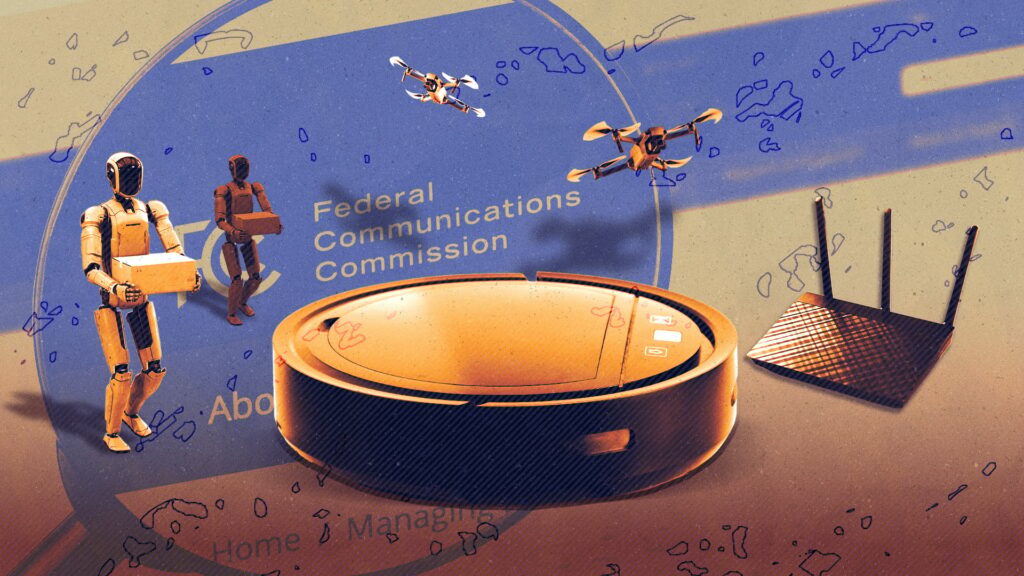
Well, the American government certainly wants you to. In a sweeping order from the U.S. Federal Communications Commission (FCC) two weeks ago, the Trump administration effectively banned foreign-made “robotic devices” from the U.S. market, including those helpful housekeepers.
What to look for in a robot vacuum: A guide from someone who tests new vacuums every month
The ruling expands the FCC’s list of restricted devices under presumed national security concerns, also known as the Covered List. Citing national security concerns, the agency blocked imports and domestic sales of internet-connected devices that navigate independently (like humanoid robots) or carry cameras and microphones (like those terrifying robo dogs). But these traits also apply to the oft-AI-powered vacuum-mop hybrids that roll around your house when you’re not home — some of them can even livestream now.
Fortunately, the government won’t be knocking down doors and sweeping up Roombas anytime soon — devices already in circulation can remain in homes across the country, and pre-approved robots can stay on the market.
But it has cast uncertainty on the future of new models and the average consumer’s access to them. Here’s what you need to know if you’re in the market for a high-tech cleaner.
What robot brands are saying
Companies are still evaluating the potential effect of the FCC’s ruling on their manufacturing processes.
Several big players in robo-vacs are headquartered outside the U.S., including Chinese brands Eufy, Roborock, and Dreame. Meanwhile, the U.S.-based iRobot, makers of the Roomba, primarily manufactures its products in China and Vietnam. Like many other consumer tech categories, most robovac companies operate manufacturing lines on foreign soil.
A handful of brands, including Shark and Narwal, have reassured American buyers that they will still be able to get their hands on the latest home cleaner tech under the new rules. In statements provided to Mashable, all but cash-strapped iRobot confirmed they would continue to sell currently available models in the U.S. as they review the new regulations.
Vacuum leader Shark, which is also headquartered in the U.S., told Mashable it is confident it can still launch new, competitively-priced models in the future despite constraints on foreign manufacturing. “We believe we are well positioned to navigate the process,” the company said.
What experts advise
Industry insiders told Mashable that it’s still too early to say how this ruling will impact access to robotics — and whether consumers need to act ASAP.
Most industry observers are looking to other FCC actions — including previous additions to the agency’s Covered List, such as foreign drones and routers — for guidance. The FCC’s approach so far has been to issue universal, blanket bans on tech deemed a cyber or national security risk. Instead of naming specific companies or brands that may pose a threat, the FCC has taken the tack of banning entire categories of products that could hypothetically pose problems.
This means individual companies have to appeal directly to the agency and develop manufacturing frameworks that comply with the federal government’s new standards to gain approval for every new product line (or even a software update).
So far, the FCC has moved fairly quickly to approve time-limited extensions for previously approved products, particularly in the case of foreign routers. In May, the FCC extended approval for companies to issue software updates to routers until 2029, not long after issuing exemptions for two notable router companies, Netgear and Eero. Basically, your existing router can still be used for several more years before it is potentially rendered useless.
Similarly, experts explained that following the agency’s ban on foreign-made drones, product access remained largely unaffected for the average buyer. However, products manufactured and sold by companies based in China have proven to be an exception, sources told Mashable. Part of wider foreign policy aims, the Trump administration has taken a hard line on Chinese imports, led primarily by the FCC and its leader, Brendan Carr.
Because conversations about select products and manufacturing plans are often happening behind the scenes with the FCC, it’s unclear whether these companies are being denied outright or are even asking for access to the U.S. market, market watchers explain.
This Tweet is currently unavailable. It might be loading or has been removed.
While existing market access should stay relatively the same as you see it now, the FCC ruling could still delay new product lines as companies await approval. Companies will also need to evaluate existing lines to ensure they remain in compliance. Many companies expect the FCC to continue adding to the Covered List, which may further impact what products are on the horizon.
So to sum it up: If your robovacuum is working fine as is, no need to worry. But if you are hoping to upgrade in the future, your options may be limited.
What Mashable thinks
Mashable’s robot experts, including senior shopping reporter and vacuum tester Leah Stodart, agree that consumers could face slim pickings in the future. But you have a lot of options currently available to you if you want to fill your house with bots.
Here’s everything else you need to keep in mind while shopping for a robo vac.
Additional reporting by Leah Stodart