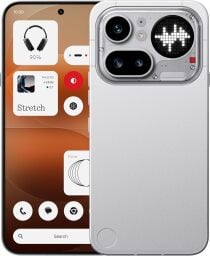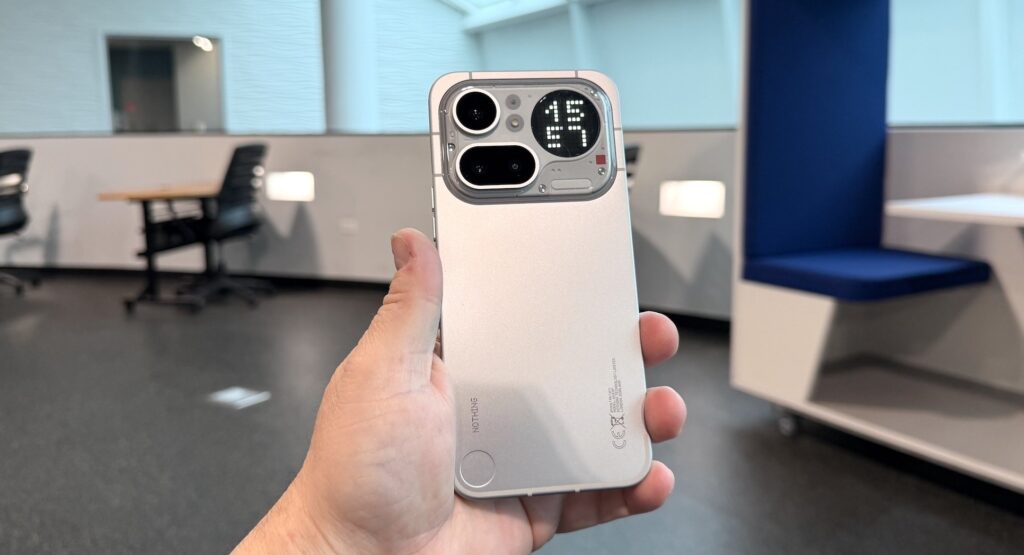
This March, design-centric British company Nothing launched what is arguably its strongest lineup of devices yet. Alongside the budget Nothing Phone (4a) and the Nothing Headphones (a) came a midrange offering — the Nothing Phone (4a) Pro.
This phone is also the closest you’ll get to a flagship offering from Nothing in 2026; the company says it’ll release no official flagship phone this year. But that’s OK. The Nothing Phone (4a) Pro still brings a premium experience to a midrange price point.
The design of the phone backtracks on the haphazard look of the Nothing Phone (3). Phone design is subjective, of course, but I’m definitely picking up what Nothing is putting down here. There is a lot to like about this phone, including the $499 price.
As with all midrange phones, there are a few compromises — and some might be tough to swallow. At $499, you will not have a perfect phone.
I’ve been using a Nothing Phone (4a) Pro, provided by Nothing, as my main phone for 10 days, running the company’s Android software and using T-Mobile’s network in the Chicagoland area. Here’s what I thought.
The whole Nothing package
Credit: Adam Doud / Mashable
Alongside the Nothing Phone (4a) Pro, the company launched two other devices. The Nothing Phone (4a) is a budget offering with a slower processor, slightly slower memory, and fewer cameras than its bigger sibling. It’s also not available in the U.S.
The other device was the Nothing Headphone (a) — a budget version of Nothing’s first over-ear headphones launched last July, the Nothing Headphone (1). For a lower price point, you get a simpler design, but in more colors. But by all reports, they sound just as good and have the same controls as the flagship headphones, making a compelling offering at $199.
Want to learn more about getting the best out of your tech? Sign up for Mashable’s Top Stories and Deals newsletters today.”
As for the Phone (4a) Pro, it too is the whole package. Tech specs ahead: It runs on a Snapdragon 7 Gen 4 processor, which is decidedly midrange, but it falls squarely in line with the phone’s price range. There’s also 8GB or 12GB of RAM along with 128GB or 256GB of storage, all powered with a 5,000 mAh battery. India SKUs add another 400mAh to that. The 6.83-inch AMOLED screen is gorgeous with excellent color reproduction. It refreshes at up to 144 Hz, so everything is quite smooth.
TL;DR on the specs: this phone punches above its weight.
Software is great with some trade-offs
Credit: Adam Doud / Mashable
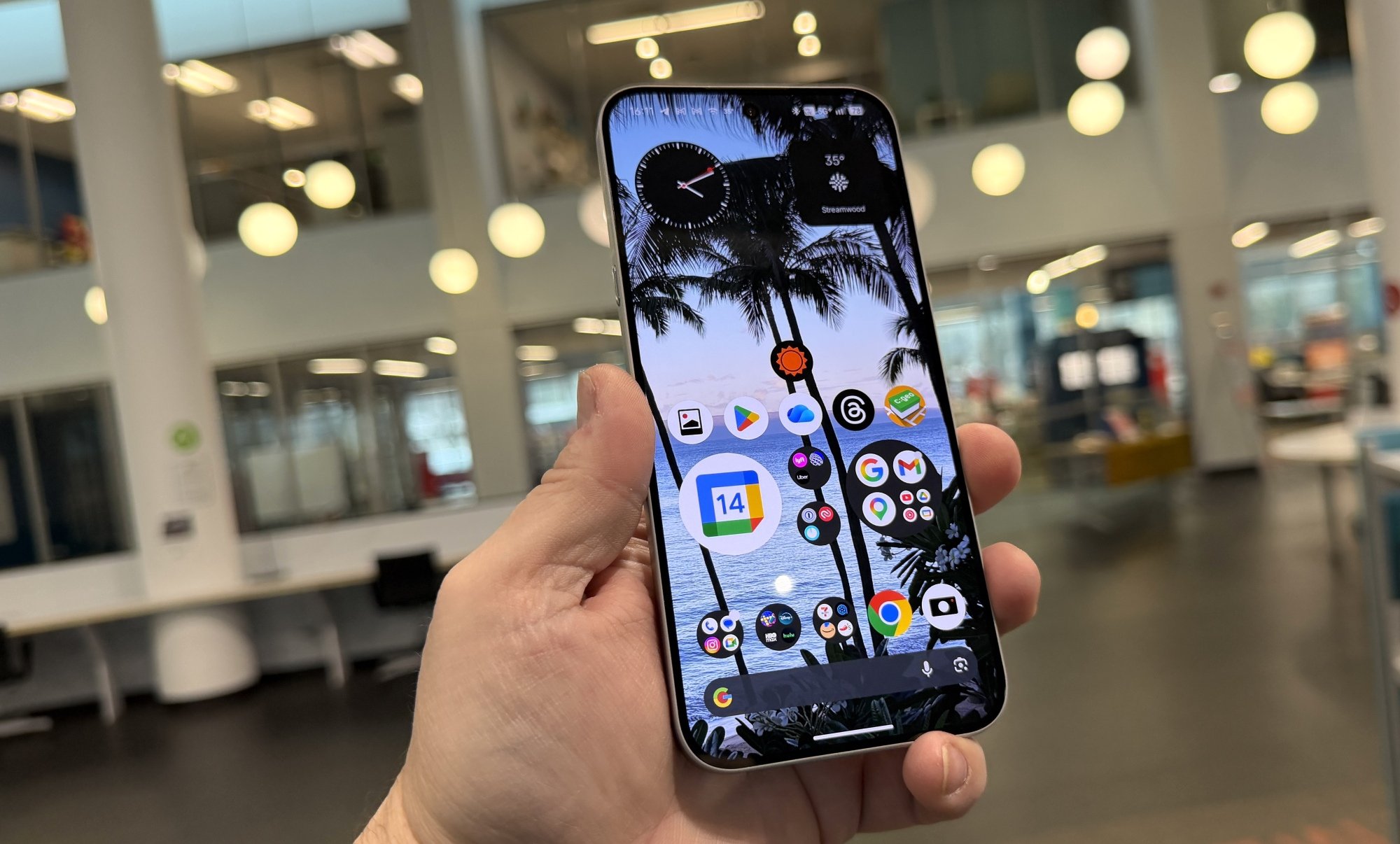
Design is at the forefront of Nothing’s ethos, and all of the design choices built into its Android skin are intentional.
For example, Nothing has a grayscale icon pack for apps that turns your home screen into a black-and-white version of its former self. I can get behind this in theory — the “digital minimalism” of grayscale apps supposedly helps us have healthier relationships with our phones. Your mileage may vary, but my brain focuses on color much more than shape, so I haven’t often switched to the icon pack.
One confounding choice: the inability to turn off the app drawer. I prefer to have all my apps on my home screen, organized into folders. Nothing doesn’t allow the easy creation of folders either. Every time I wanted to file an app, I had to go to the app drawer, then drag the app into an appropriate folder. Not a fan of that.
Credit: Adam Doud / Mashable
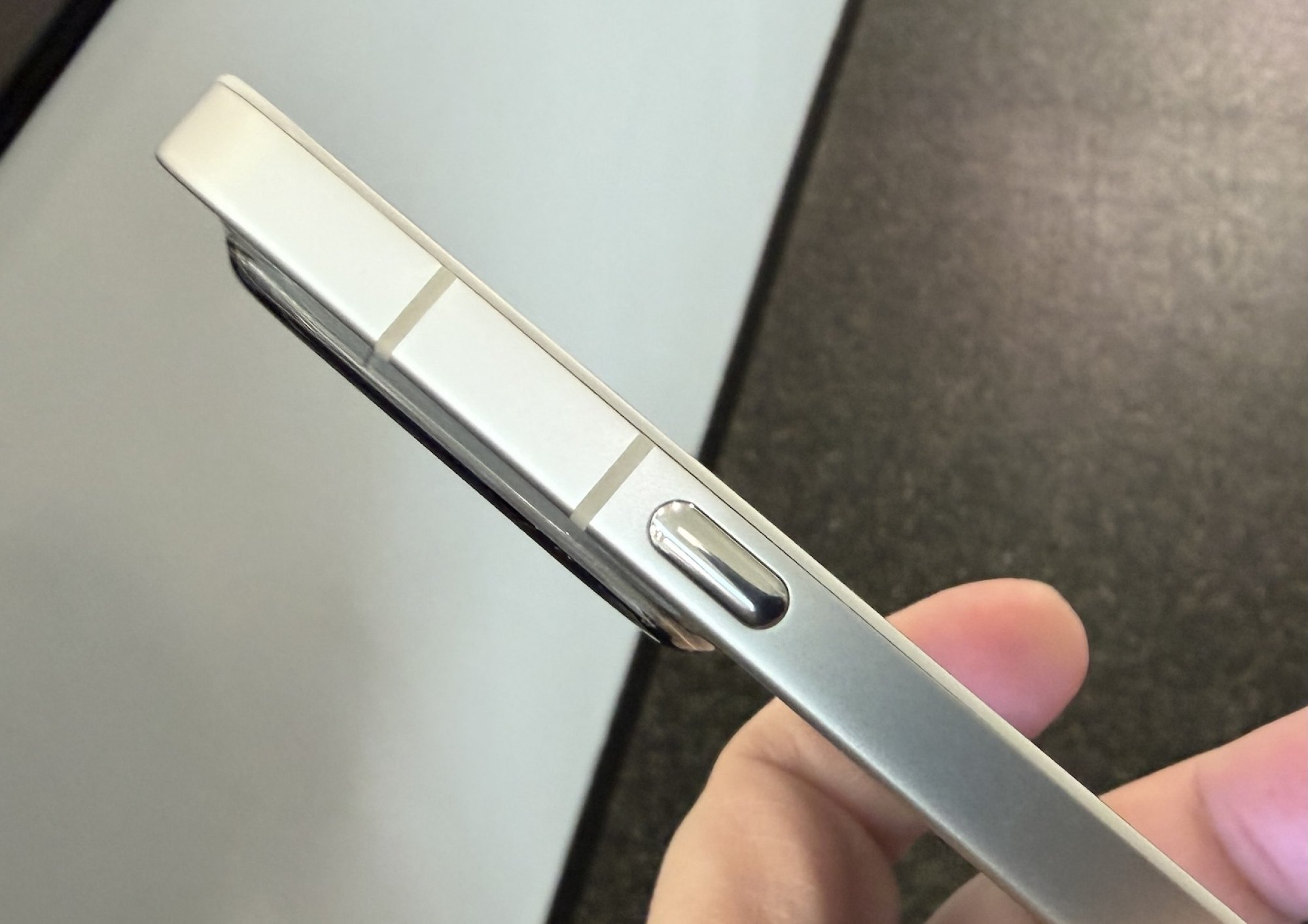
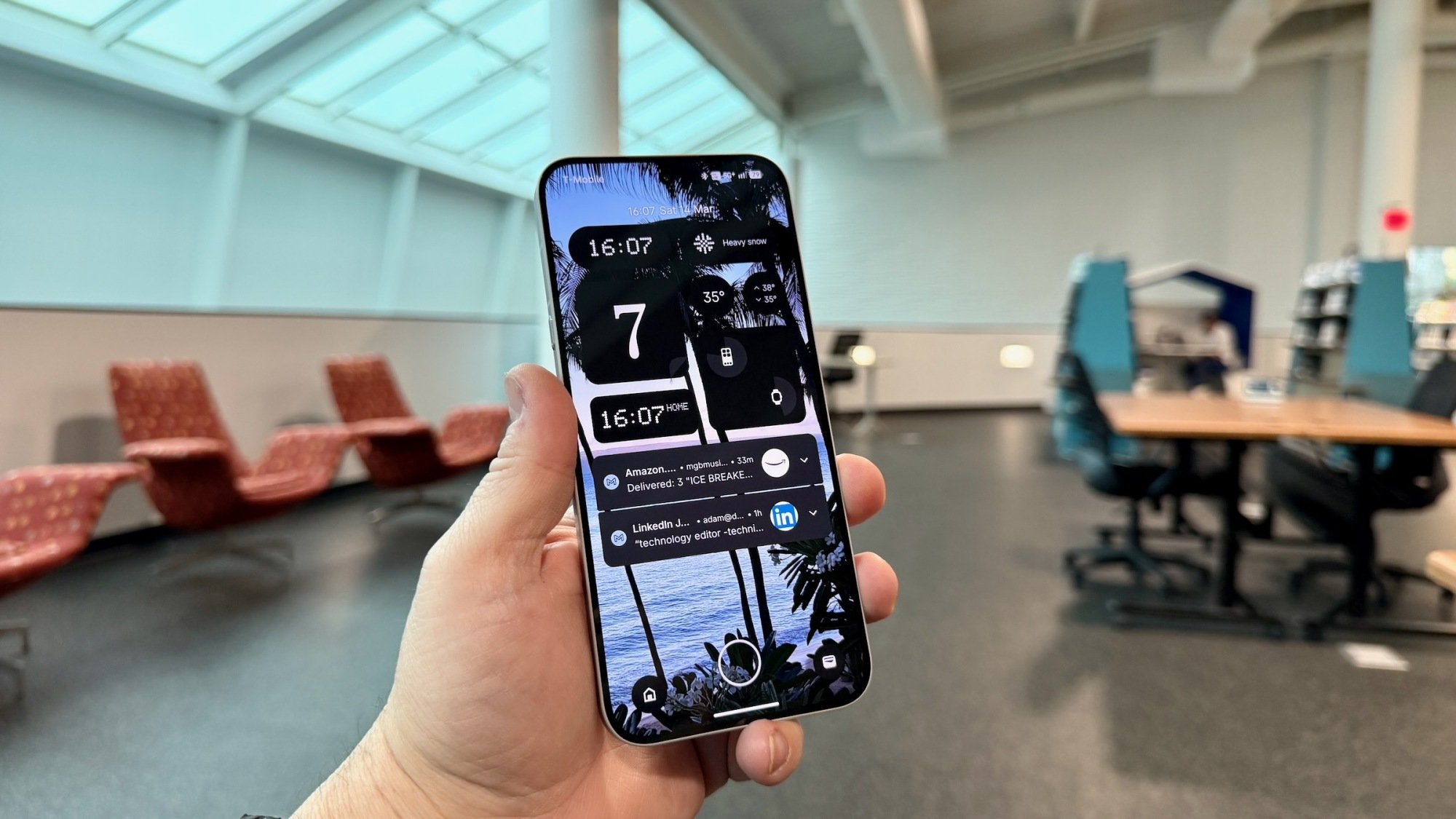
Then there’s Essential Space, a kind of digital notebook activated by the Essential Key on the left side of the phone. This is meant to be a repository of your thoughts and reminders. When you need to remember something, the Essential key lets you grab a screenshot and allows you to add a voice note as well. AI then organizes your thoughts and notes.
I might not be a typical use case here, but generally, I don’t remember things with screenshots; it’s just not how my brain is wired. There is another design choice I love, however.
Enter the Matrix
Credit: Adam Doud / Mashable
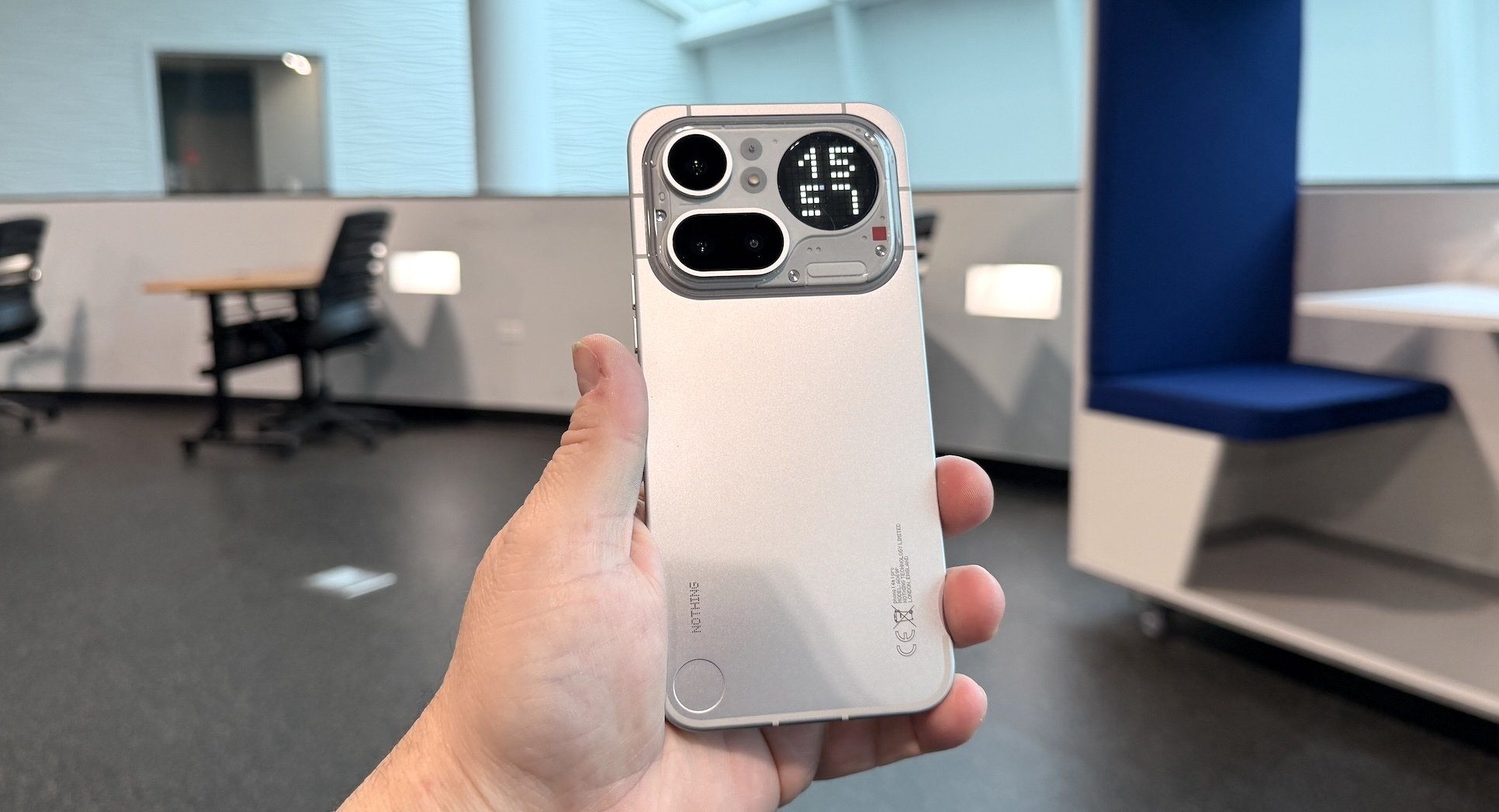
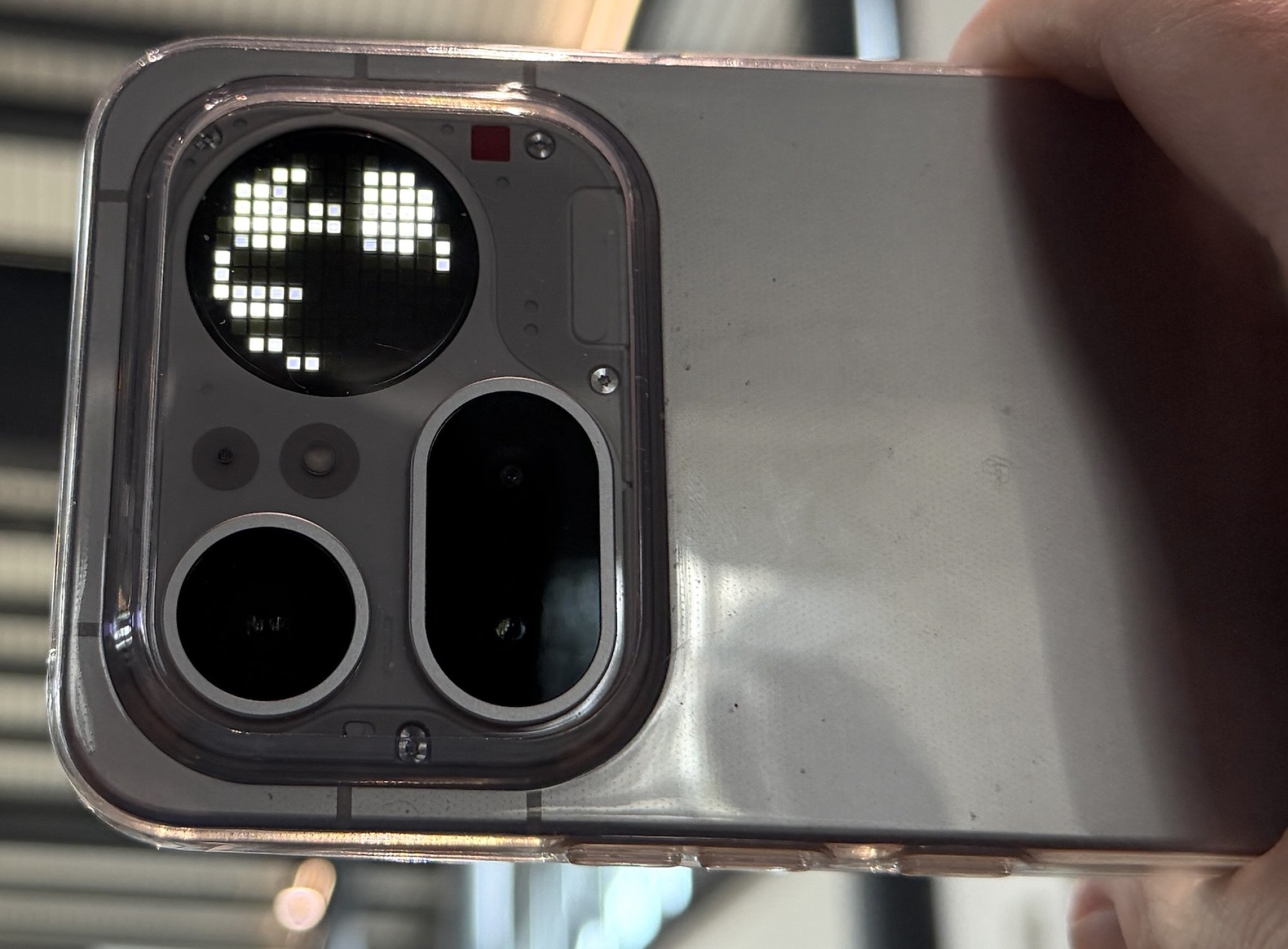
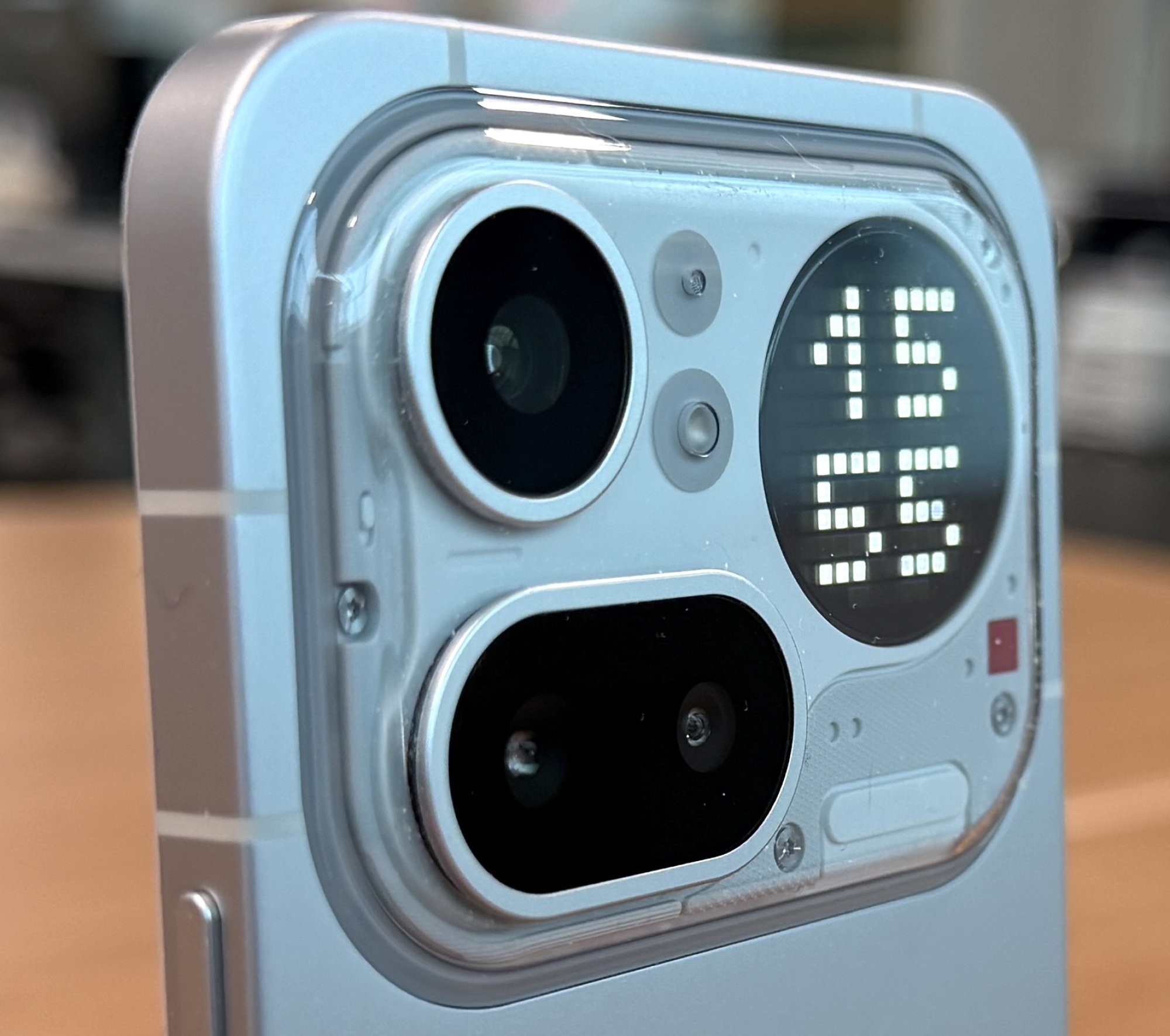
The Glyph Matrix, which we saw on the Nothing Phone (3), is back on the back of this phone. I adore it. However, Nothing has cut down its functionality.
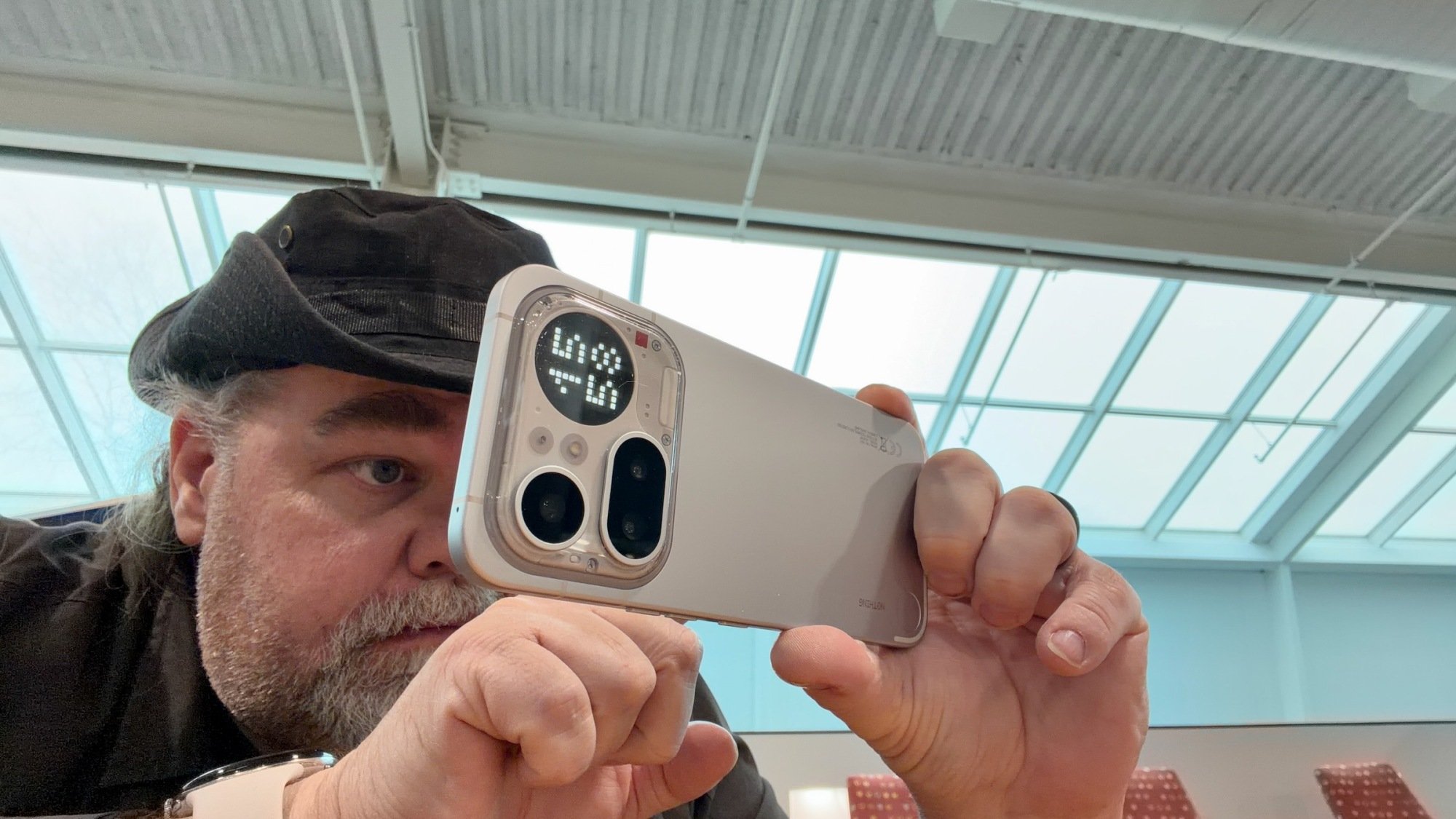
First of all, the dot matrix itself has larger “pixels” which means lower resolution inside that matrix. That’s fine for things like letters and numbers, but it’s bad for anything else. The Glyph Matrix has a neat trick where you can use it as a mirror to take a selfie with the main camera, and on the Nothing Phone (3), it worked really well.
On the Nothing Phone (4a), however, the resolution is so low that you can’t tell what’s in the window when trying to shoot. It’s very disappointing.
It’s also disappointing that you can only activate the Glyph Matrix when the phone is flipped over on its face. This is likely a cost-saving measure, since there is no capacitive button to press this time. Still, it’s a little off-putting.
Credit: Adam Doud / Mashable
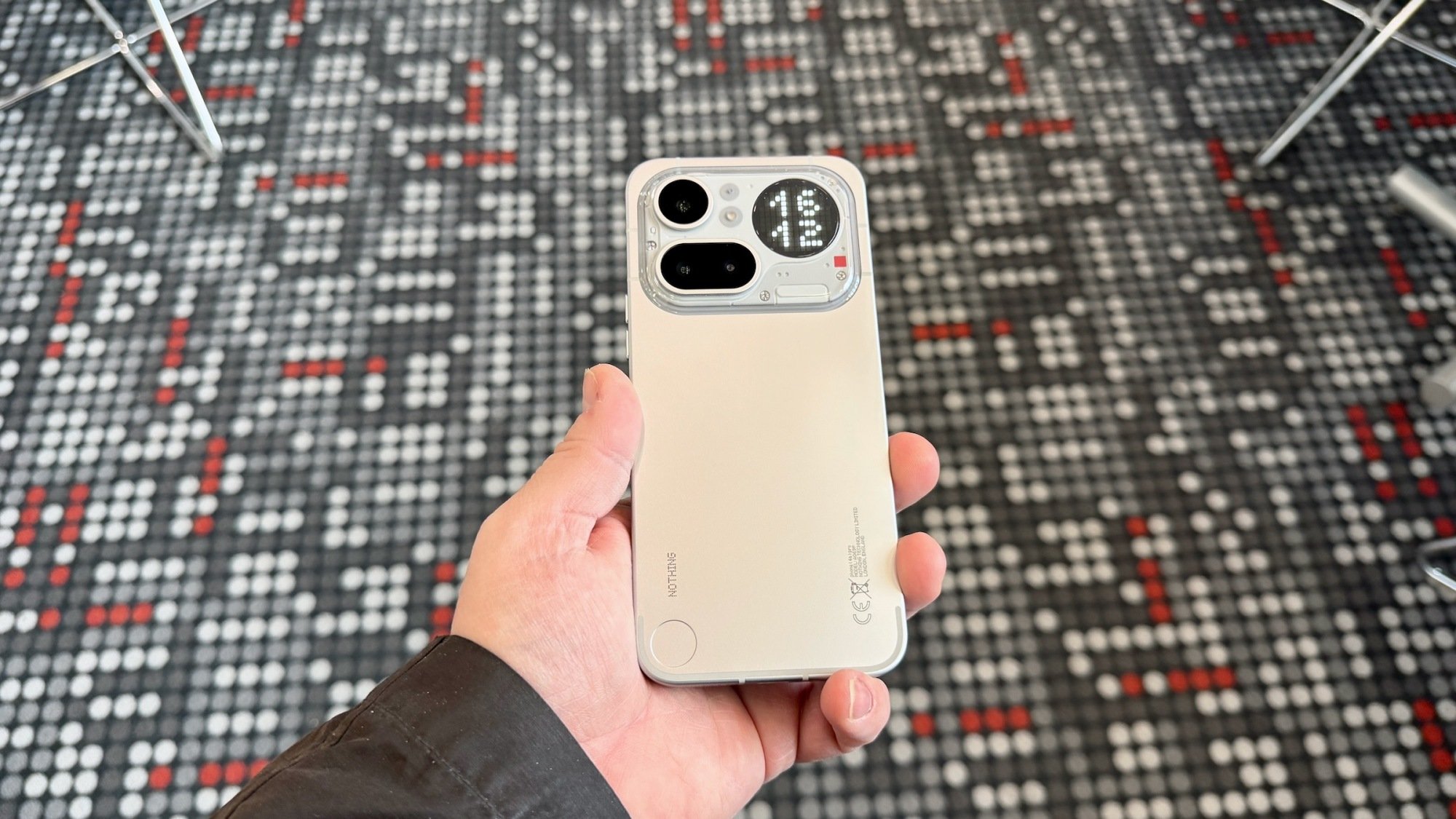
You can have a persistent display of the time, or battery level, or a few other options, but the whimsical toys from the Nothing Phone (3) version, like the Magic 8-ball, are nowhere to be found.
Nothing says you can get more toys from the community, but that has real “we can’t wait to see what the developers do with it” energy. To borrow a nerdy reference, the Glyph Matrix feels nerfed.
Performance and Battery
The Nothing Phone comes with a Snapdragon 7 Gen 4 processor — a very midrange choice. On Geekbench, the phone yields 1,287/3,906 single/multi-core scores. That means it’s fine with most tasks you’ll throw at it — opening apps, playing simple games, watching videos.
It will start to get bogged down when playing serious titles like “Genshin Impact,” or trying to edit videos. For most people shopping in this price range, that’s perfectly fine.
That also means the phone sips battery like a champ. I regularly got just under two days of light-medium use on a single charge. That’s the kind of endurance I like to see out of a phone. If you’re a heavy user, you’ll easily get through a full day and probably a little more without plugging it in.
Cameras are the main trade-off
Credit: Adam Doud / Mashable
It doesn’t seem, on the surface, like Nothing cut corners with the cameras here. The Nothing Phone (4a) Pro has two 50-megapixel sensors on the back for its main and 3.5x telephoto lens, an 8-megapixel shooter for ultrawide, and a 32-megapixel camera on the front.
But when you look at the results, it’s fairly obvious that these are midrange cameras.
During the day, in good lighting, the phone is a very capable shooter, though the ultrawide leaves something to be desired. Details such as brickwork are lost. That’s not surprising considering the small sensor size — but if you’re looking for consistency between lenses, you won’t find it here.
Macro shots are similarly blotchy, though the phone uses the main sensor for those macros. Most phones switch to the ultrawide lens for macro shots. Nothing bucks that trend — but as a result, you can’t get as close to your subject as you may want.
Credit: Adam Doud / Mashable
At night, things fall apart pretty quickly. Light sources are way overblown and darkness is very grainy. Video is not bad — as long as you’re not moving. Start walking, and the video quality degrades significantly, with lots of judder following your footfalls.
Quality photos are possible at night, and they can be fine for social media sharing. But when you try to make photos larger, the flaws are a lot easier to spot.
Nothing Phone (4a) Pro Price and final verdict
Overall, there’s a lot to like about the Nothing Phone (4a) Pro. This is a very good midrange offering with the usual corners cut — the camera being the main one. It’s not that the camera setup is bad; it’s just very midrange. If this phone lived in a vacuum, that would be a good trade.
It’s priced at $499, the same as the recently-released Google Pixel 10a. I bring that up because the Pixel 10a is not compromised in camera quality; far from it. The Nothing Phone (4a) Pro has a telephoto that the Pixel 10a lacks, so there’s that to consider.
Credit: Joe Maldonado / Mashable
Credit: Adam Doud / Mashable
If you value good shots of far-away subjects, the Nothing Phone (4a) Pro is the better buy. But if you value overall camera quality, get the Pixel 10a.
The two phones are also polar opposites when it comes to design. The Pixel 10a is about as boring as it gets with a flat back and no camera bump. Meanwhile, on the Nothing Phone (4a) Pro, you get Nothing’s signature transparent design and a sizable camera island.
Your preference will vary, of course, but I much prefer the boldness of the Nothing Phone (4a) Pro, and Nothing hardware in general. If you like flair, it doesn’t get more flair-y than this. If you want excellent software, Nothing delivers that as well.
If you want something different, that’s the Nothing Phone (4a) Pro in a nutshell. This phone is for people who love to stand out and carry a conversation starter in their pocket. It’s also for design fans who want a phone that makes a statement. It’s a true midrange phone, and it’s a pretty good value at $499.