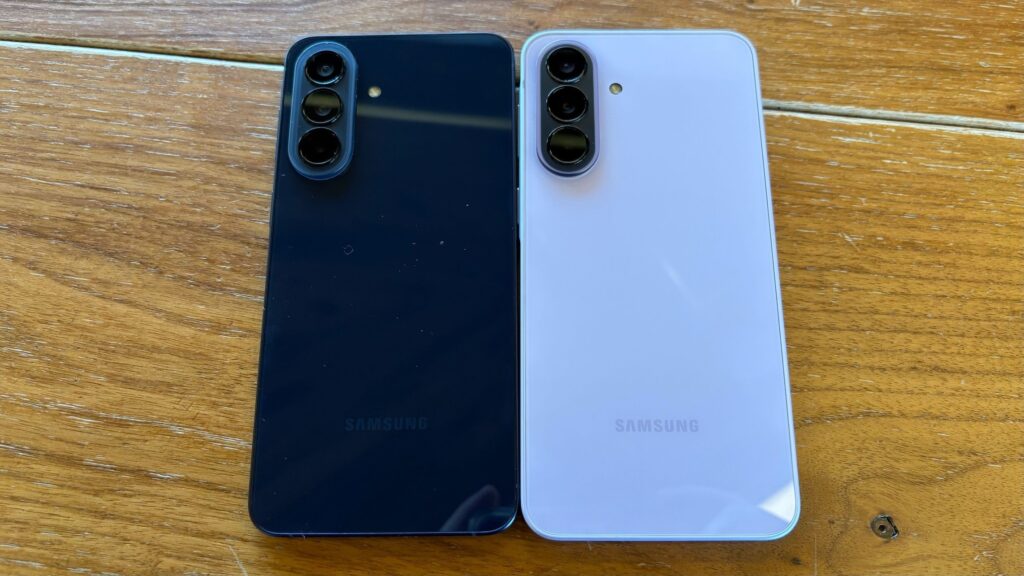
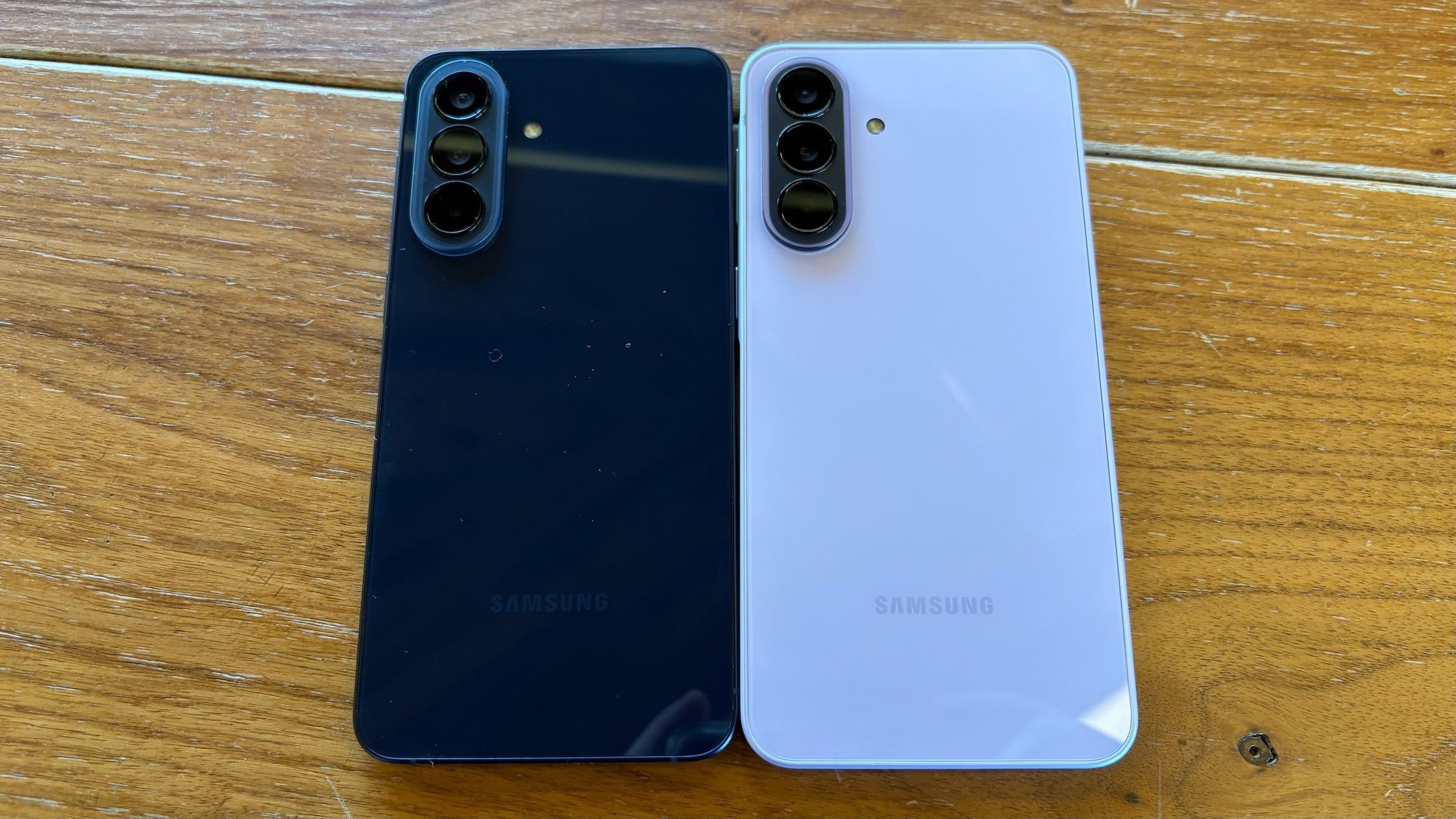
Samsung just recently launched the Galaxy S26 lineup — but in this economic climate, expensive flagship phones aren’t for everyone. That’s where the company’s two newest handsets come in.
The Korean tech giant announced the Galaxy A37 and Galaxy A57 phones on Wednesday. These two mid-range devices, priced at $449 and $549, could be intriguing options for Samsung fans who want premium specs without paying more than $1,000 for a Galaxy S26 Ultra. They’re available on April 9. The A57 only comes in one color called Awesome Navy, while the A37 comes in four: Awesome Charcoal, Awesome Lavender, Graygreen, and Awesome White.
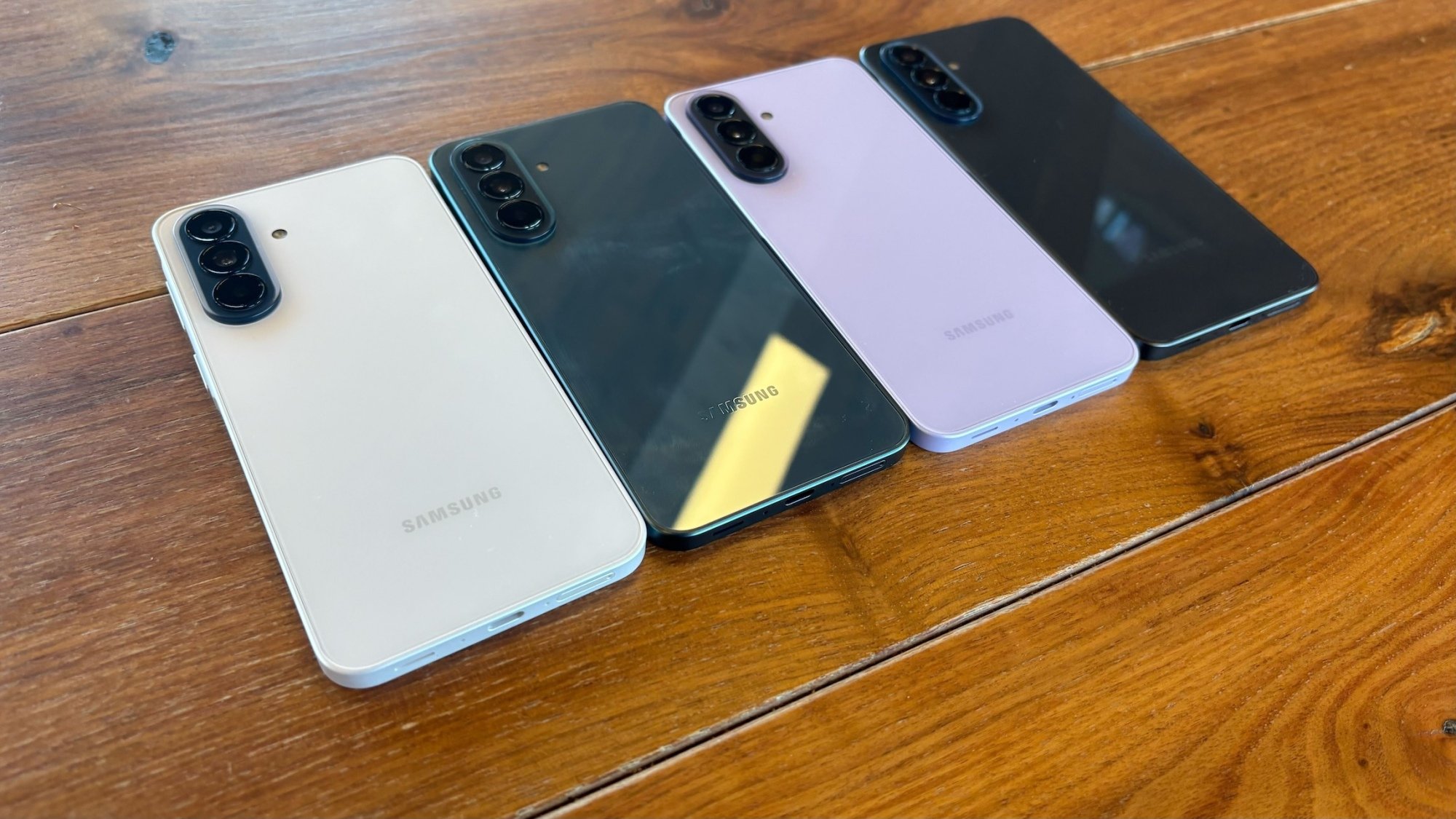
Credit: Alex Perry/Mashable
Here are the specs for the A37, which is the cheaper and more modest of the two phones:
-
6.7-inch Super AMOLED display with up to 120Hz refresh rate
-
Exynos chipset
-
6GB or 8GB RAM
-
128GB or 256GB storage
-
5,000mAh battery
-
Three rear cameras: 50MP wide, 8MP ultrawide, 5MP macro
-
12MP selfie camera
And here are the specs for the Galaxy A57, which is a very similar phone but with some extra bells and whistles to justify the price difference:
-
6.7-inch Super AMOLED display with up to 120Hz refresh rate
-
Exynos chipset
-
8GB RAM
-
128GB or 256GB storage
-
5,000mAh battery
-
Three rear cameras: 50MP wide, 12MP ultrawide, 5MP macro
-
12MP selfie camera

Credit: Alex Perry/Mashable
The phones are pretty close to each other in terms of specs. The more expensive A57 has higher base RAM and a slightly better rear camera array, as well as a couple of bonus AI photo editing features that aren’t available on A37: Best Face and Auto Trim.
The A37 does have access to many of Samsung’s other AI editing tools, as well as AI staples like Circle to Search.
Another reason you might opt for the A57: it’s 0.5mm thinner and 27g lighter than the A37. It’s no Galaxy S25 Edge, but I did get to hold and use both phones briefly at a press event, and I can confirm the A57 is a tad bit more comfortable in the hands.
Aside from size and weight, the phones are similar beasts. They both come with Android 16, and the Exynos chips inside of them seemed to make apps load quickly and smoothly in my brief time using them.
For the first time, Samsung has given its midrange options IP68 dust and water resistance. That should make them at least marginally more durable, depending on how adventurous you are.
This feels like a slightly more important midrange launch for Samsung than usual, given the tumultuous economy and RAM shortage that’s making high-end tech more expensive than ever. Since the Google Pixel 10a was relatively disappointing this year, maybe Samsung can snatch the “best midrange Android phone” crown away from Google.