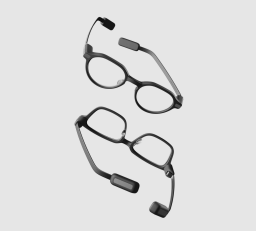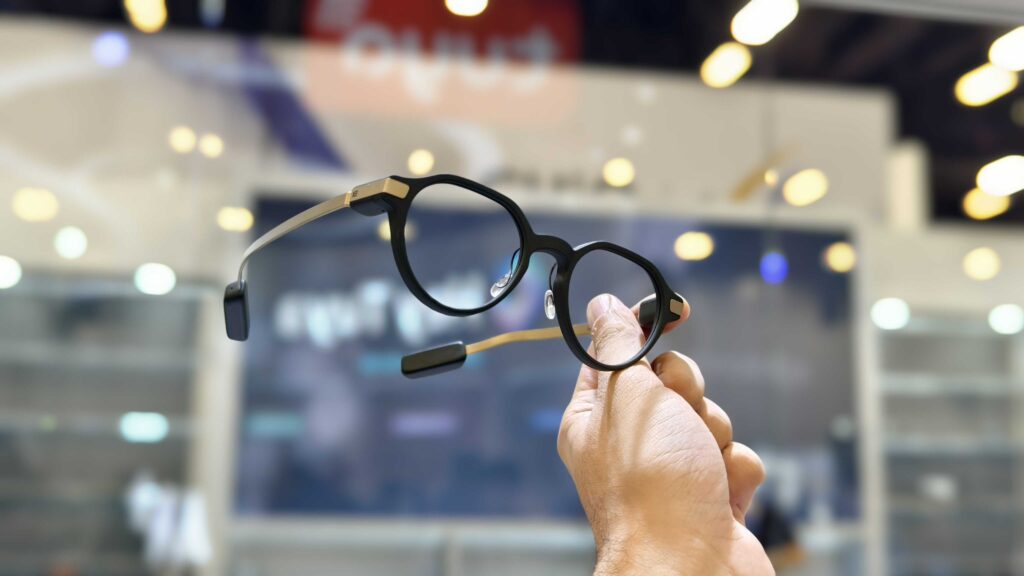
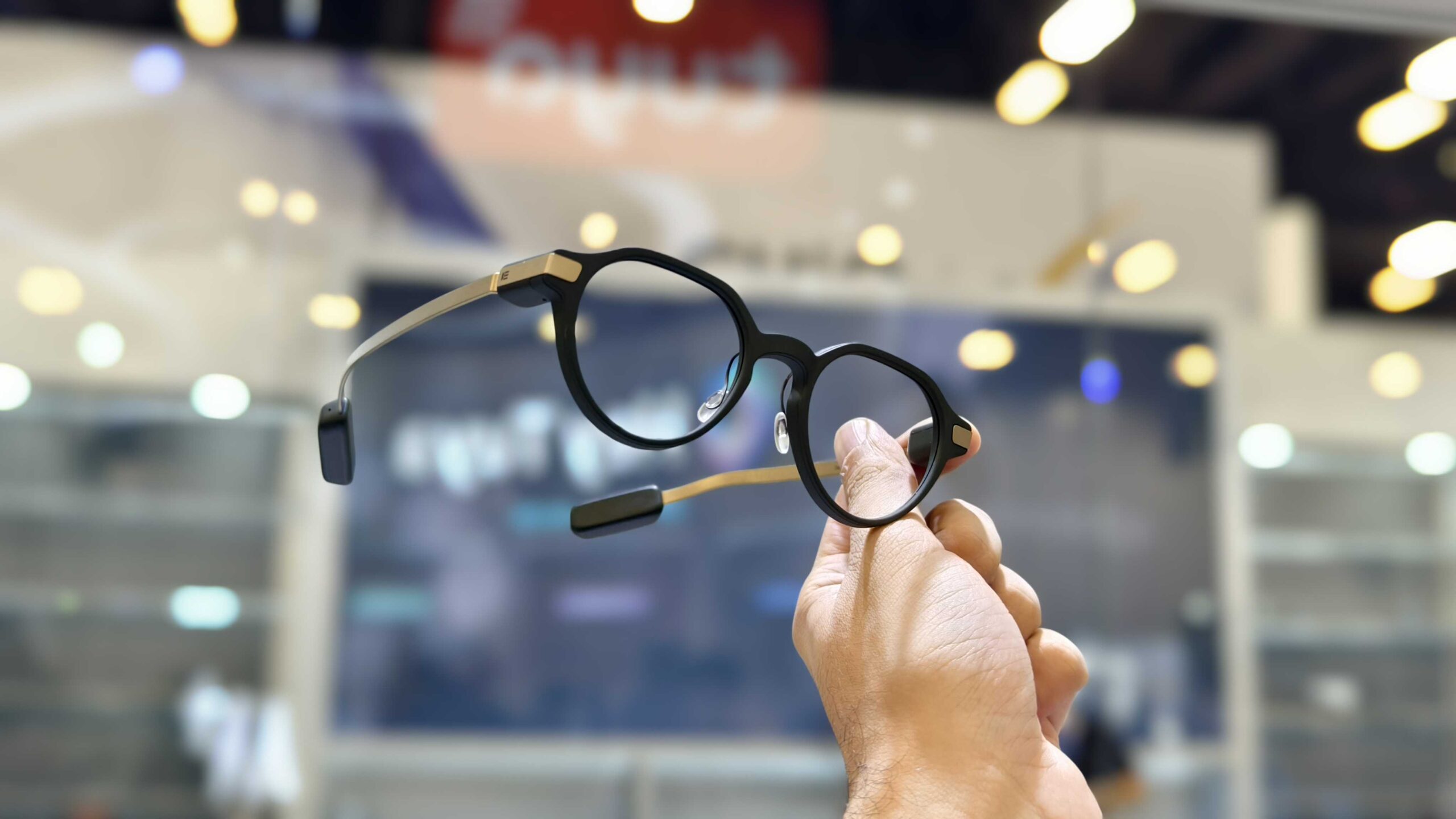
It was a refreshing experience to demo the Even Realities G2 smart glasses at CES 2026, which was filled with Meta Ray-Ban knockoffs. As someone who’s been using last-gen G1 glasses as my daily specs, I was stoked to try the G2 glasses. And they didn’t disappoint. Even Realities doubled down on its best features and polished the rough edges. They’re the closest a pair of smart glasses has come to traditional specs, thanks to the minimalist feature set that felt just right.
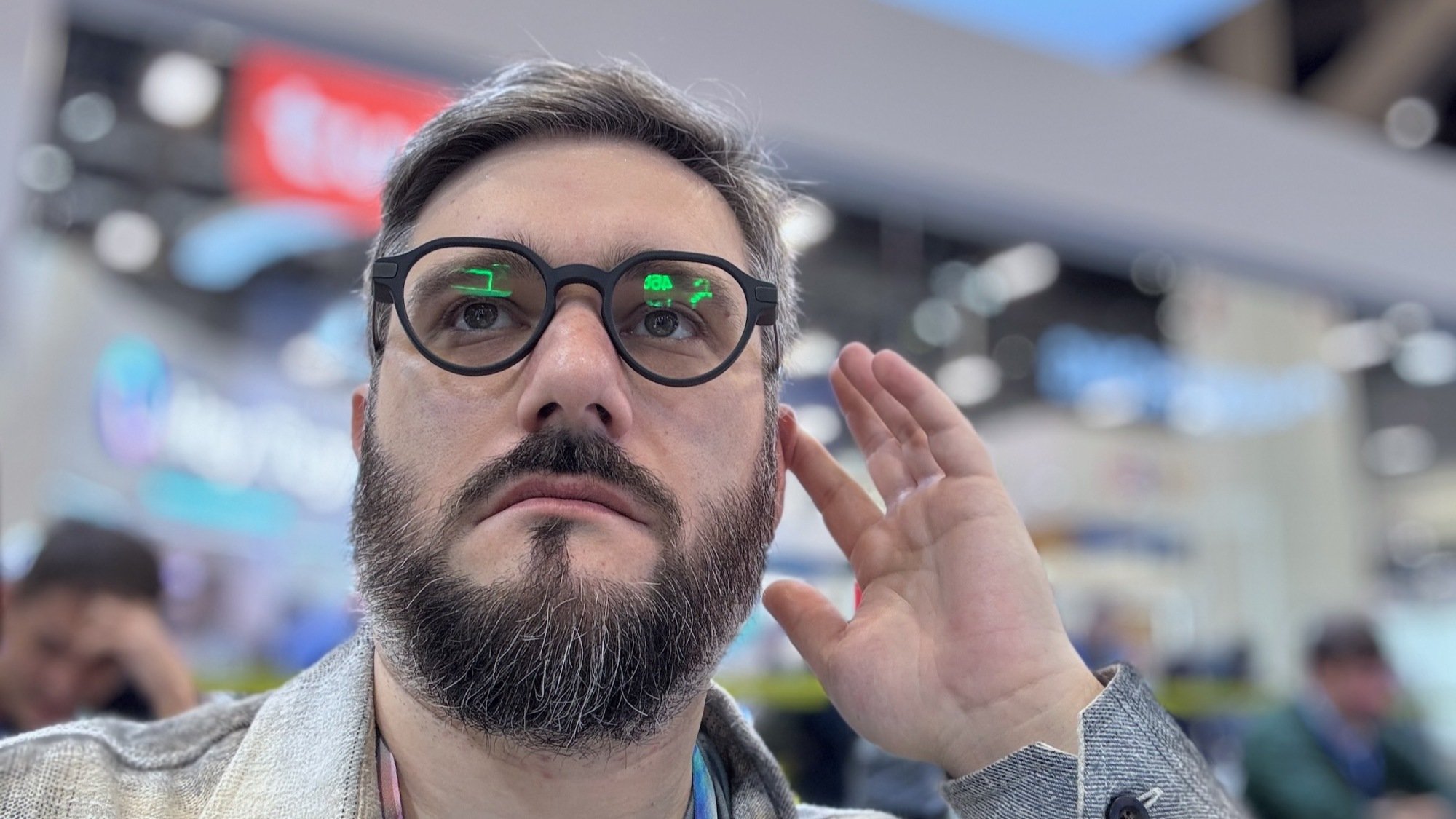
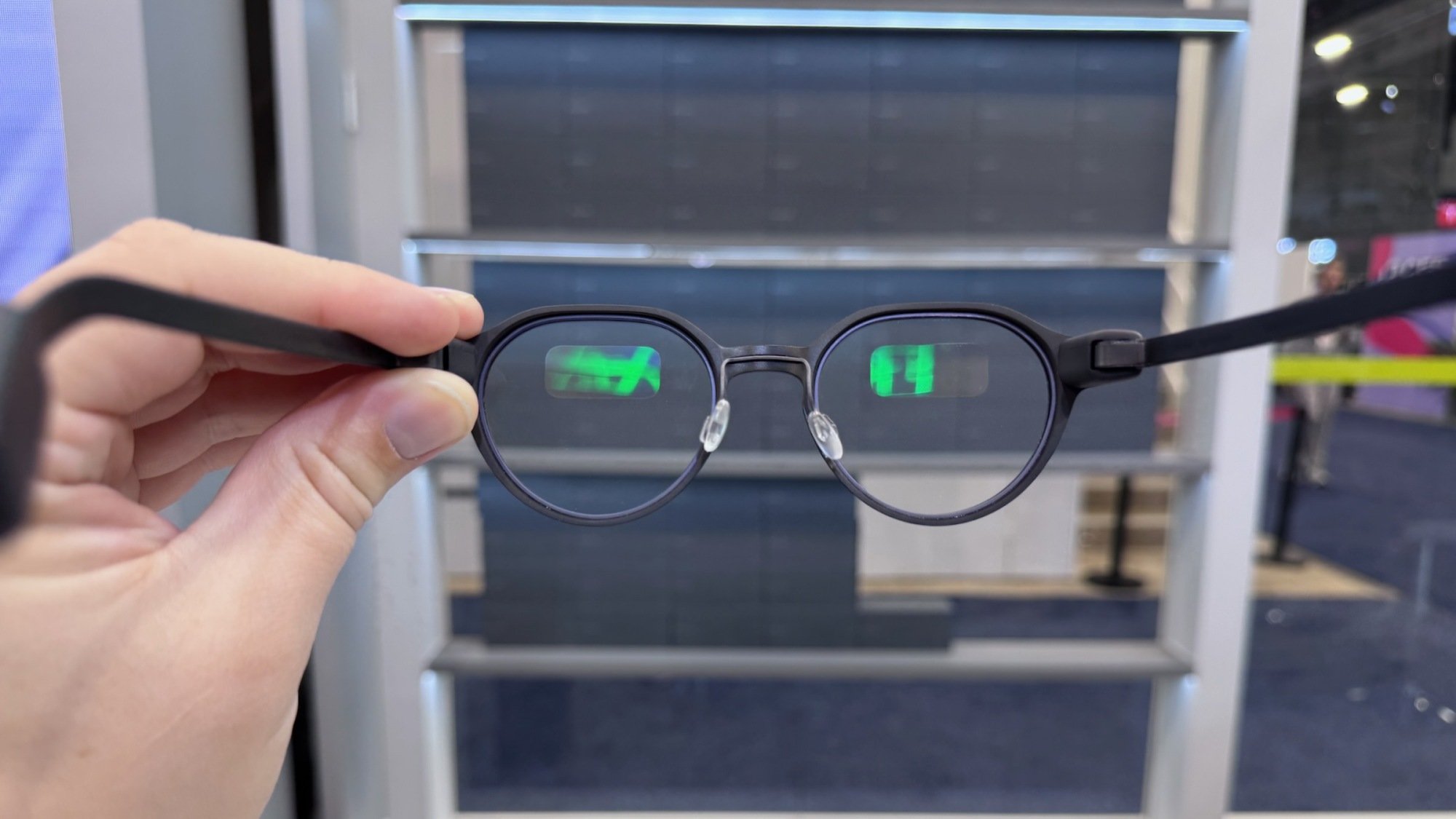
Like their predecessor, the Even Realities G2 smart glasses feature a display in each lens. But there are big upgrades lying under the hood. These screens are 75 percent larger this year, and the difference was apparent as soon as I wore them.
Even Realities G2 smart glasses: First impressions
Credit: Timothy Werth / Mashable
First, I was greeted by a sharper, brighter, and more stable display during movement. The company is calling it Even HAO 2.0 (Holistic Adaptive Optics), and it combines mini micro-LED projectors, gradient wavelengths, and hi-def lenses to deliver the upgraded experience.
Second, I could feel the difference in weight instantly. I’ve been wearing the G1s (with my prescription) for the past few months, and I get nosepad marks consistently. However, that could change with the G2 glasses.
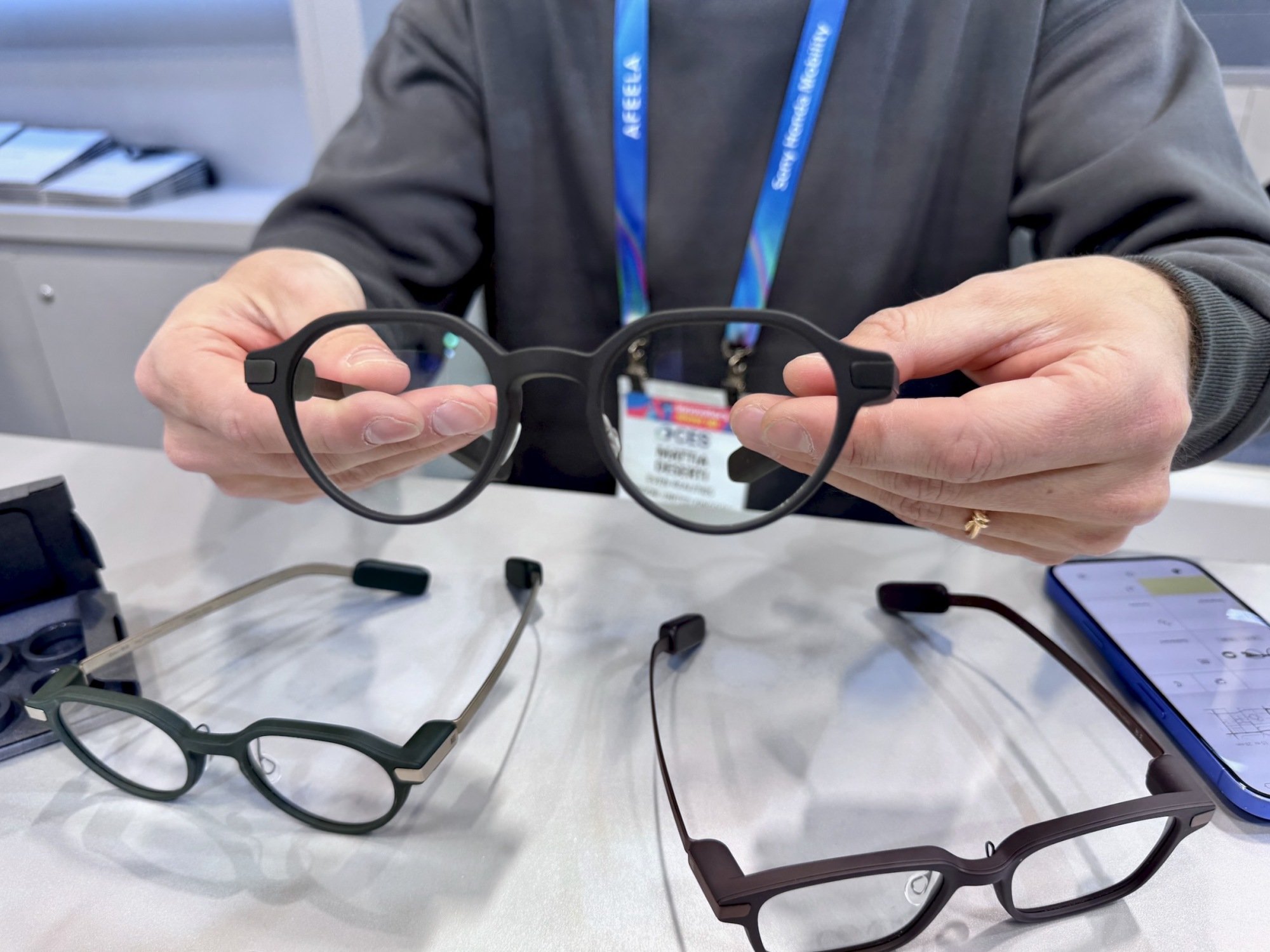
While my demo was too short to talk about long-term comfort, the new Even Realities glasses are lighter (36 versus 44 grams without prescription) and more comfortable than the previous generation. They’re made with a similar mix of titanium and magnesium alloy, but the stem is stronger, which should instill more confidence in day-to-day use. I like the fit and finish better this time.
What I liked about the Even Realities G2 smart glasses
Credit: Timothy Werth / Mashable
Once you put on the G2 glasses, you’re welcomed to a Dashboard. It can be customized to your liking from the app. You can navigate the UI either by gestures (using the touch sensors located on the back of the stems) or via the new R1 smart ring. In my demo, I played around with the UI in both ways to try different functions.
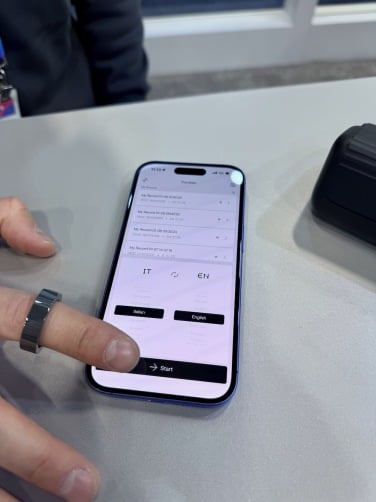
I loved the Translation feature, which is one of the best I’ve tried on a wearable. The words were clearly visible on my screen, and seeing it happen in real time was close to sci-fi. Teleprompt benefits from the bigger screen area, too. Plus, you can now control the flow by swiping on your R1 smart ring.
I’ve mostly used my G1s to take quick notes by long-pressing the back of the right stem, and I’m glad to report that action is now less finicky and more reliable. I like how swipes flow more naturally now. I didn’t have to fiddle with the gestures (unlike my G1s).

Credit: Timothy Werth / Mashable
Credit: Timothy Werth / Mashable
There’s a new Conversate feature, which didn’t work properly in my demo (I’ll test it on my unit soon), most likely due to WiFi problems, which are common on the CES showroom floor. Theoretically, Conversate inserts contextual talking points on the glasses’ display in real-time as you’re having a conversation with someone. For instance, a person can name a famous personality or place, and the glasses will show me related information about those topics.
You also get Navigation with a built-in geomagnetic sensor, so directions can adapt as you turn your head. However, it’s not compatible with Google Maps yet, and you have to use the company’s own navigation system. Similarly, health monitoring data in Dashboard and within the app is limited to the R1 smart ring. I’d love for it to show my Apple Health data via the Apple Watch, but it is not possible as of now.
The bottom line: The G2 are a worthy upgrade
Credit: Timothy Werth / Mashable
The Even Realities G2 are the most subtle pair of smart glasses you can purchase right now. I’ve set up my unit and will report back on how they function in daily wear, especially compared to the G1s. You can buy them in two styles — panto and rectangular — in gray, brown, or green color options. Prices start at $599 and, like the last generation, you can add clip-on sunglasses and prescription.